

Loading...
How Voice Is Changing Smart Home Interfaces
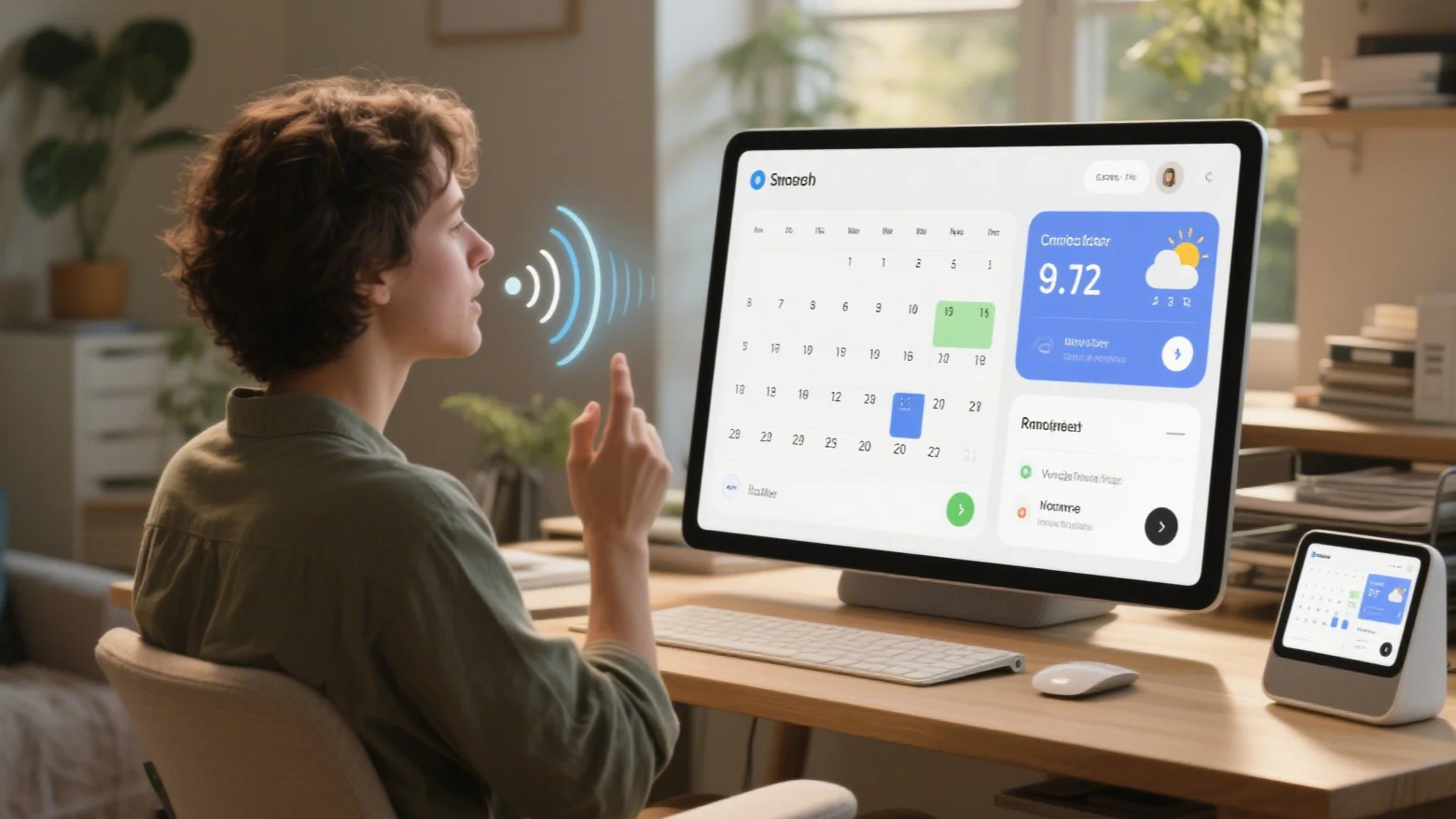
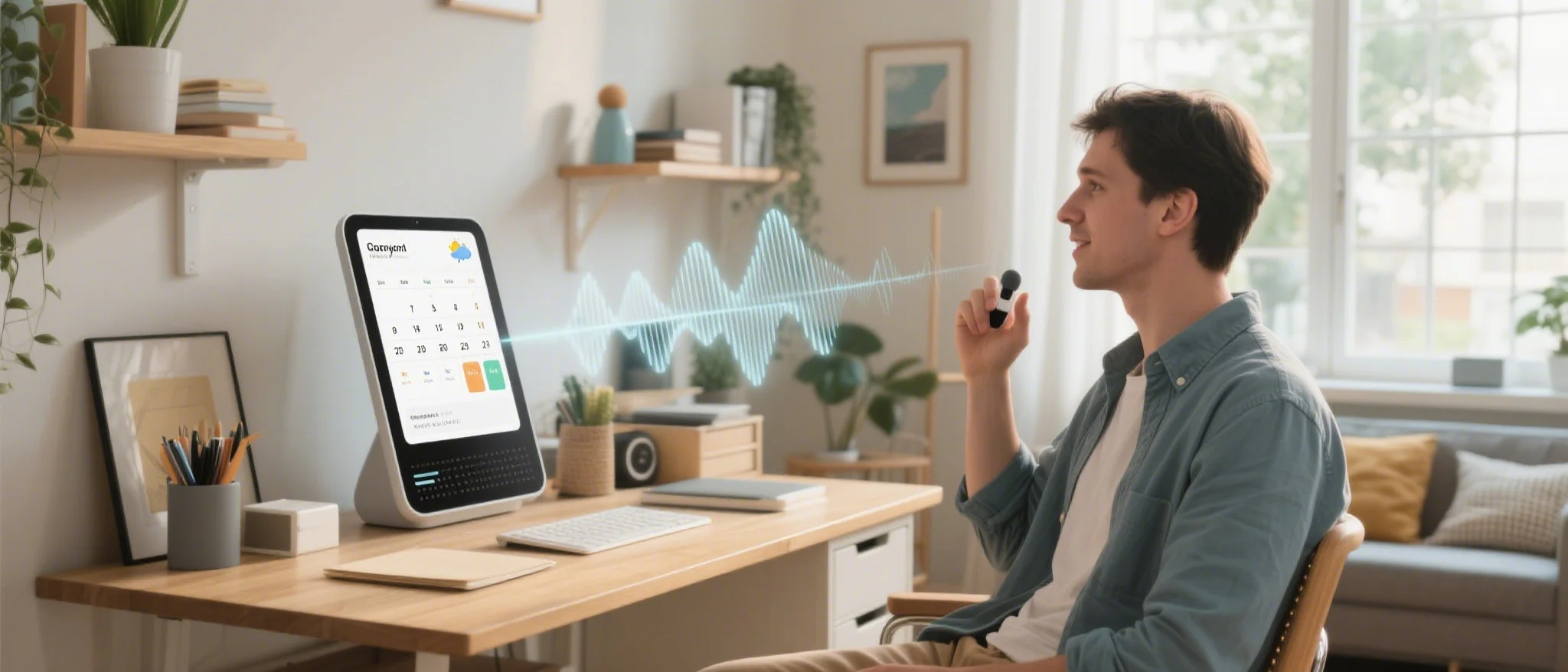
Voice interfaces are no longer a futuristic concept—they’re now a staple in modern households. With rapid improvements in natural language processing and voice recognition accuracy, smart home devices are becoming truly intuitive, allowing users to interact with their environments hands-free, more naturally, and more securely.
As we move toward increasingly connected living spaces, the shift from manual control to voice commands marks a major leap in usability. Whether it's adjusting lights or asking your virtual assistant for weather updates, these interactions blend convenience and intelligence. But behind this simplicity lies a complex tech evolution that’s worth unpacking.
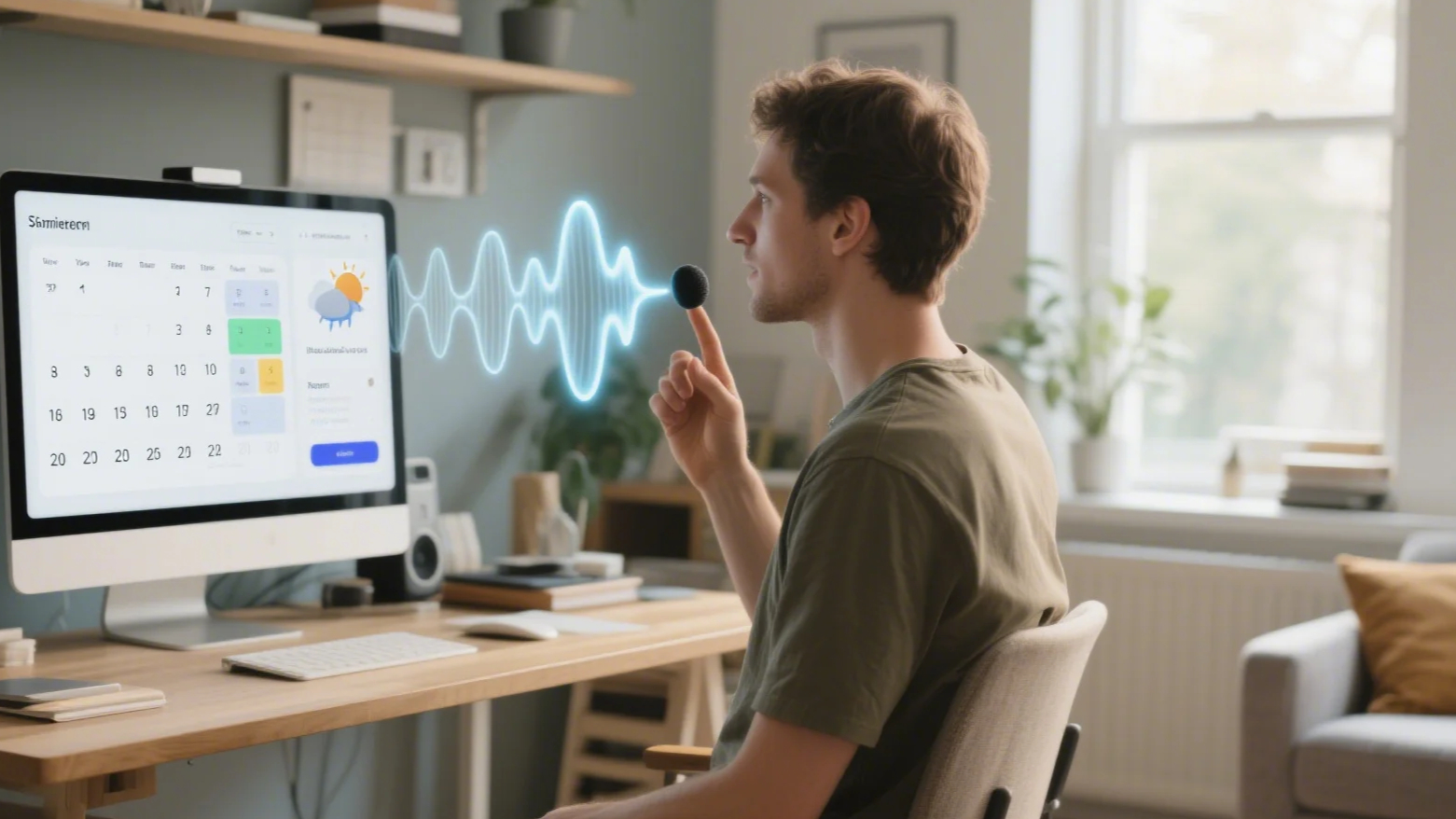
The early days of voice tech relied on rigid commands, often misunderstood or lacking nuance. Now, thanks to advances in AI and machine learning, modern systems understand natural speech patterns, intent, and even context. This transition enables smoother, more human-like interactions that feel less like controlling machines and more like speaking to helpful assistants.
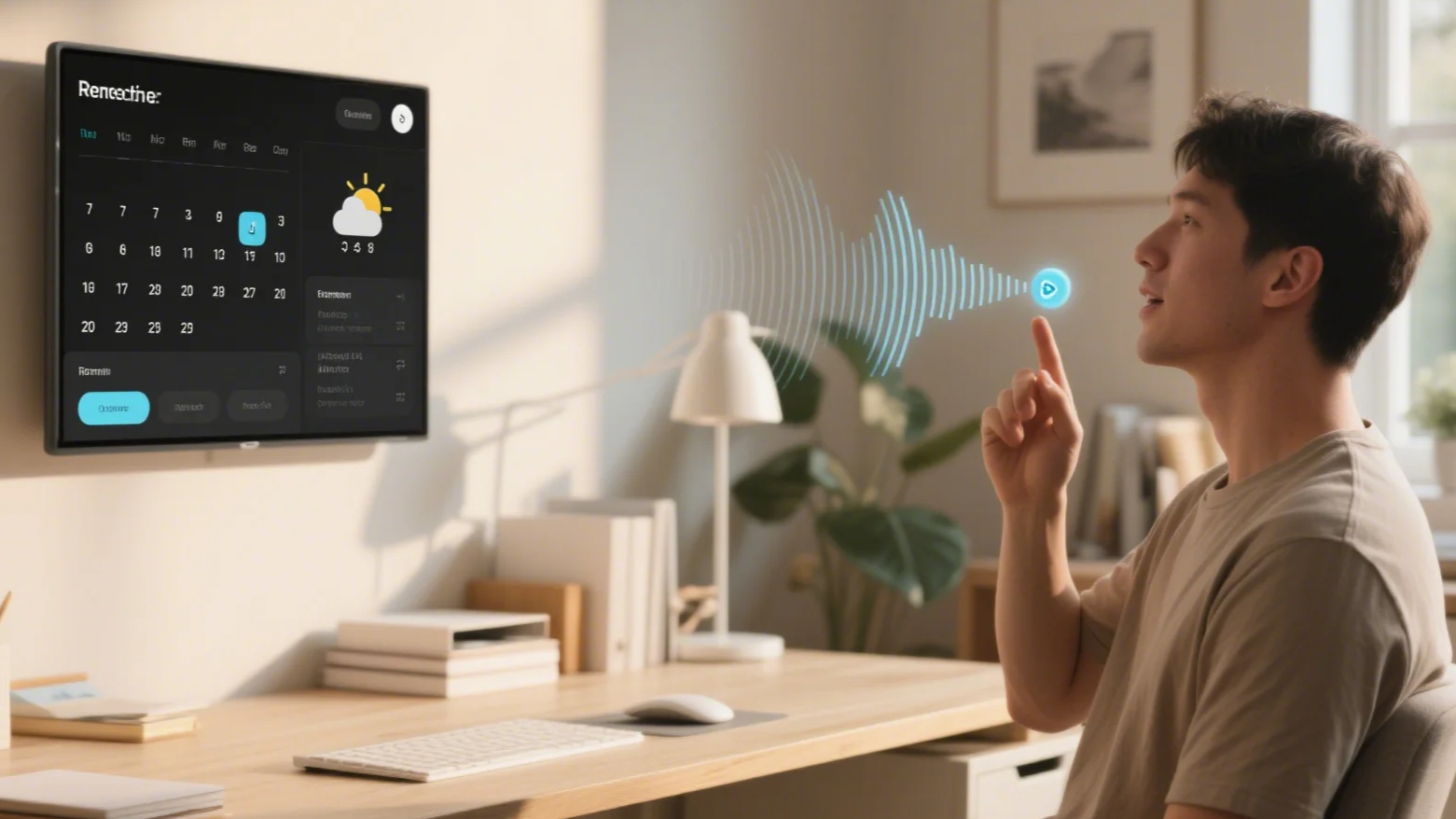
As voice systems become more embedded in our homes, concerns around privacy and personalization grow. Developers are investing in edge computing and user-controlled data to ensure safer experiences. Simultaneously, systems now adapt to individual users—recognizing voices, predicting needs, and responding differently based on habits and preferences.
Voice control isn’t just a tech trend—it’s reshaping human-machine interaction in profound ways. As devices get smarter and more conversational, we move closer to a future where homes respond to our voices seamlessly, anticipating needs while respecting privacy. It's an evolution that puts people at the center of technology.
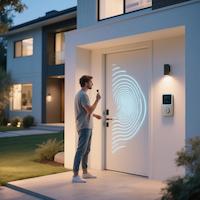
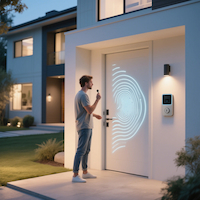
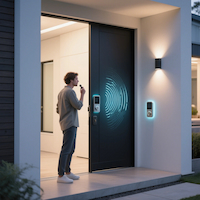

Step into a smarter lifestyle where your home responds to your voice—start exploring intuitive solutions that simplify everyday living.
